.svg)




.svg)
.svg)
.svg)

.svg)


When planning a trip to Uzbekistan, be sure to take the time to explore the capital. Tashkent is a fascinating and welcoming city, a true thriving oasis with a history spanning over 2,000 years.
Here, ancient history is closely intertwined with modernity: the colorful quarters of the Old City and vibrant oriental bazaars sit alongside ultra-modern buildings, landscaped parks, and entertainment centers immersed in greenery.
Hazrati Imam Ensemble
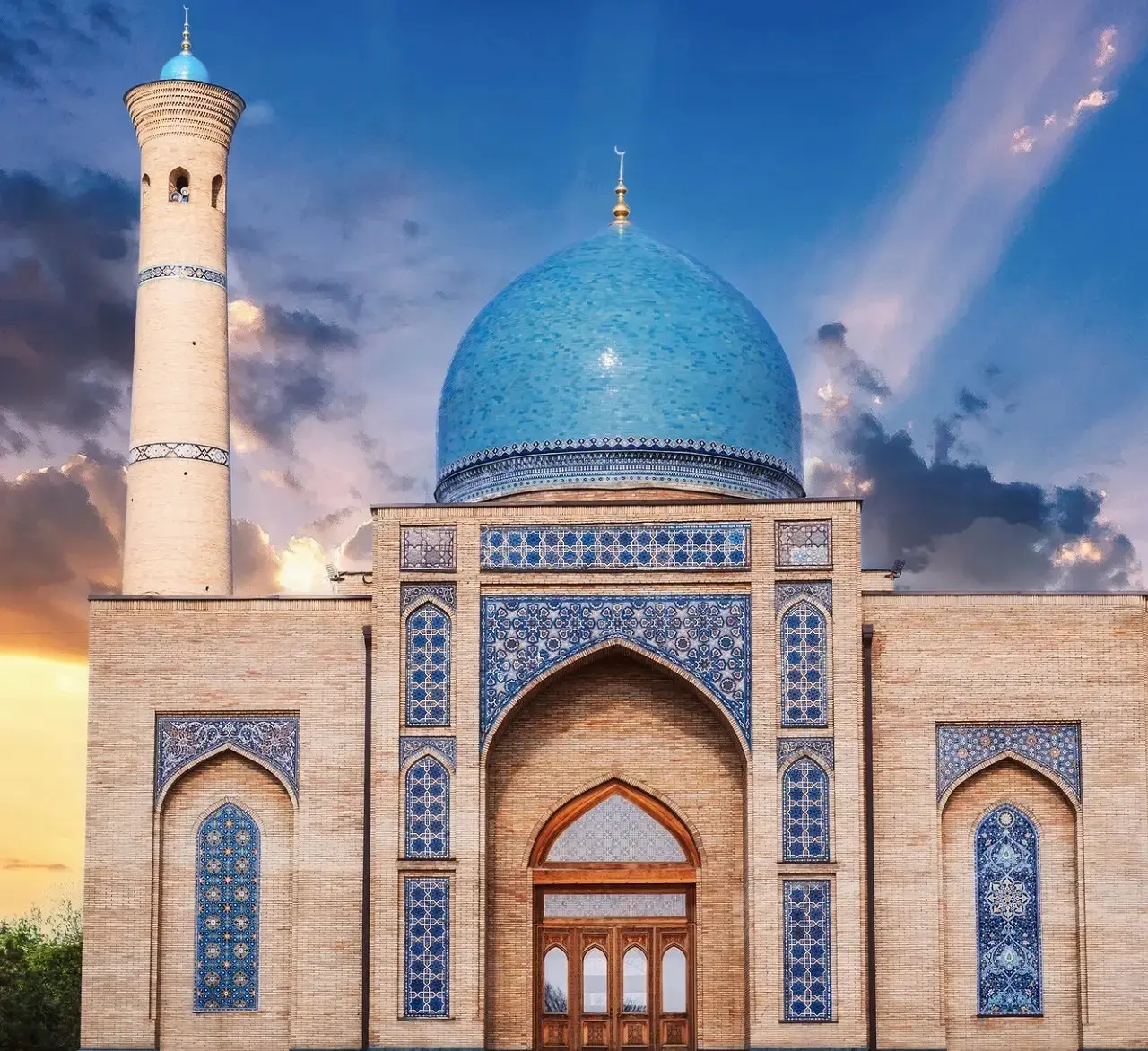
This large religious complex, built near the grave of one of the first preachers of Islam in Tashkent, resembles a magical city from an oriental fairy tale. The architectural ensemble includes both ancient and modern monuments of Islamic spiritual culture, executed in a unified style.
The Barak Khan Madrasah (1532), decorated with sky-blue domes and unique ceramic mosaics, is the complex's calling card, appearing on all postcards of Tashkent. The Muyi Muborak Madrasah houses the world's oldest handwritten Quran, dating from 640, as well as approximately 20,000 ancient books and manuscripts.
The Hazrati Imam Cathedral Mosque with its two minarets is The complex's newest building, erected in 2007 at the initiative of the President of Uzbekistan, the building's windows are designed to allow the sun to illuminate the interior throughout the day.
Amir Temur Square
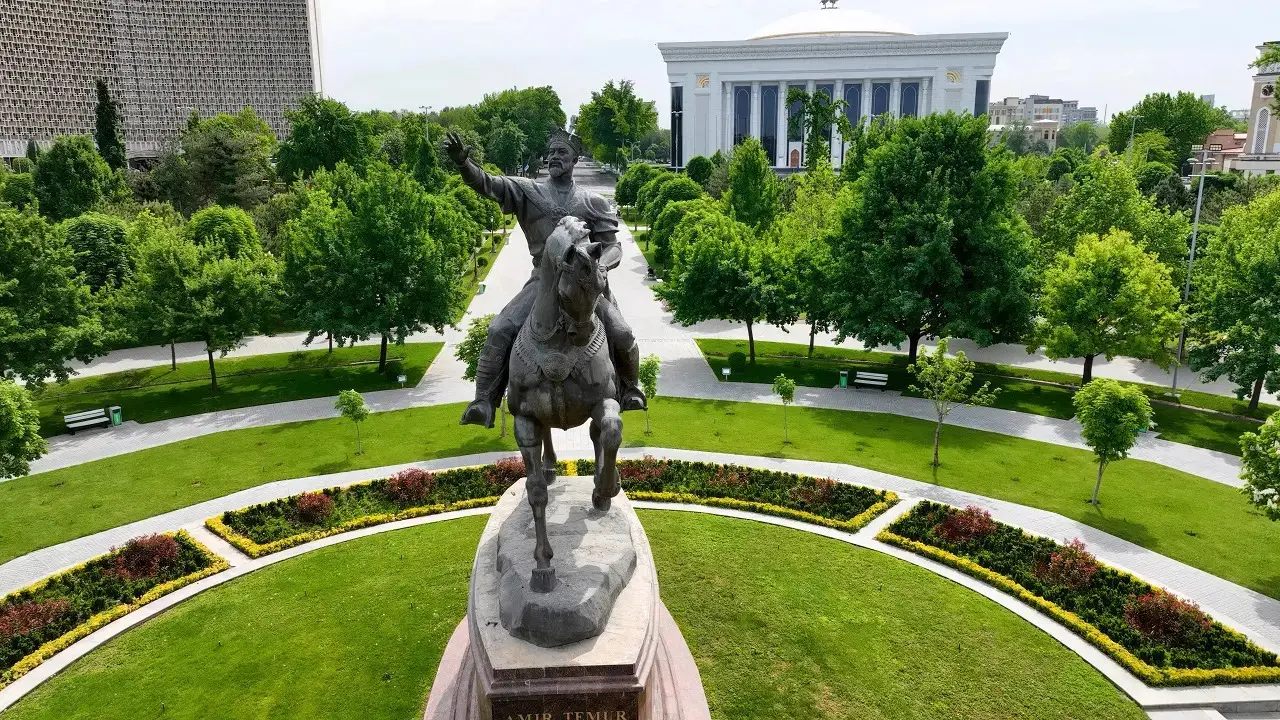
This cozy, green square in the city's historic center, founded in the late 19th century, has changed names several times. In 1994, a bronze equestrian monument to Tamerlane was erected here, and the square itself was named after Amir Temur – the legendary 14th-century commander and conqueror, an iconic figure in the history of Uzbekistan.
The square features four fountains, a pleasant place to relax on hot days. Nearby is one of the city's symbols – the Tashkent chimes and the Timurid History Museum, dedicated to the reign of Amir Temur and the dynasty he founded.
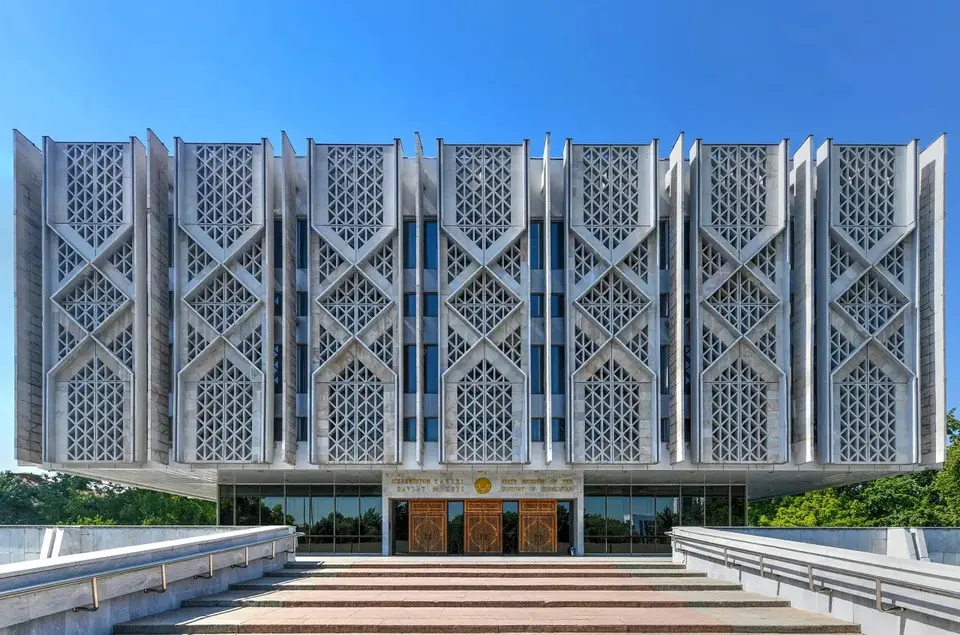
State Museum of the History of Uzbekistan
One of the oldest museums not only in the republic but in all of Central Asia, it opened in 1876. Its extensive exhibition, containing over 250,000 items, covers the country's history from ancient times to the present day.
The museum displays archaeological finds discovered during excavations in Uzbekistan. The most famous exhibits are a bronze cauldron from the 4th-5th centuries BC, decorated with animal images, and a Buddha sculpture created in the 1st century AD.
Minor Mosque
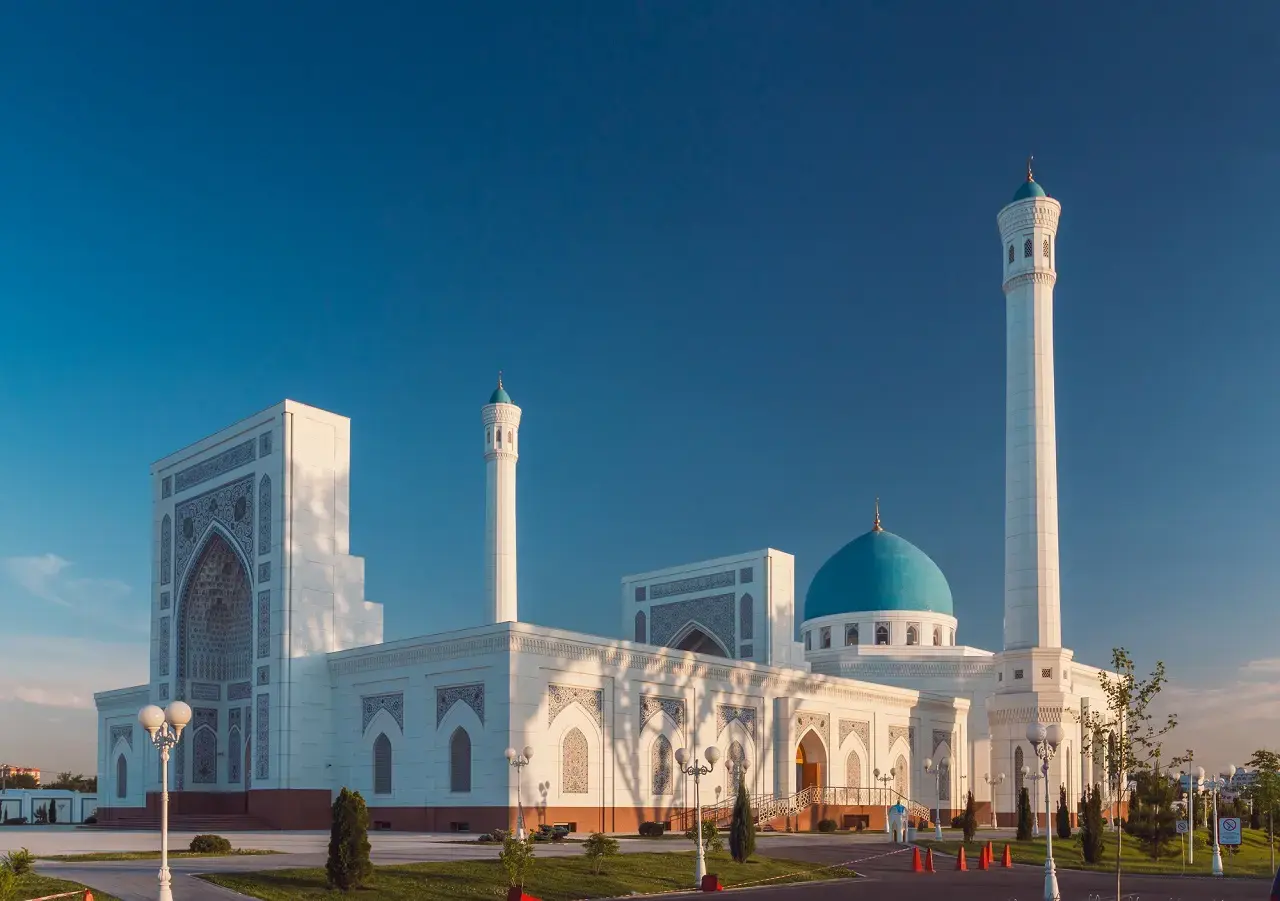
Crowned by an azure dome and featuring two slender minarets, this mosque was erected in 2014 on the renovated embankment of the Ankhor Canal. Today, it is the largest Muslim religious building in Tashkent, accommodating up to 2,400 people.
The building's façade is finished in snow-white marble, which is why the Minor Mosque is often called the Ak-Mosque (White Mosque). The interior features paintings and openwork carvings, the walls are adorned with mosaic frescoes, and the mihrab (a niche in the wall indicating the direction of Mecca) is decorated with gilded leaf.
Chorsu Bazaar
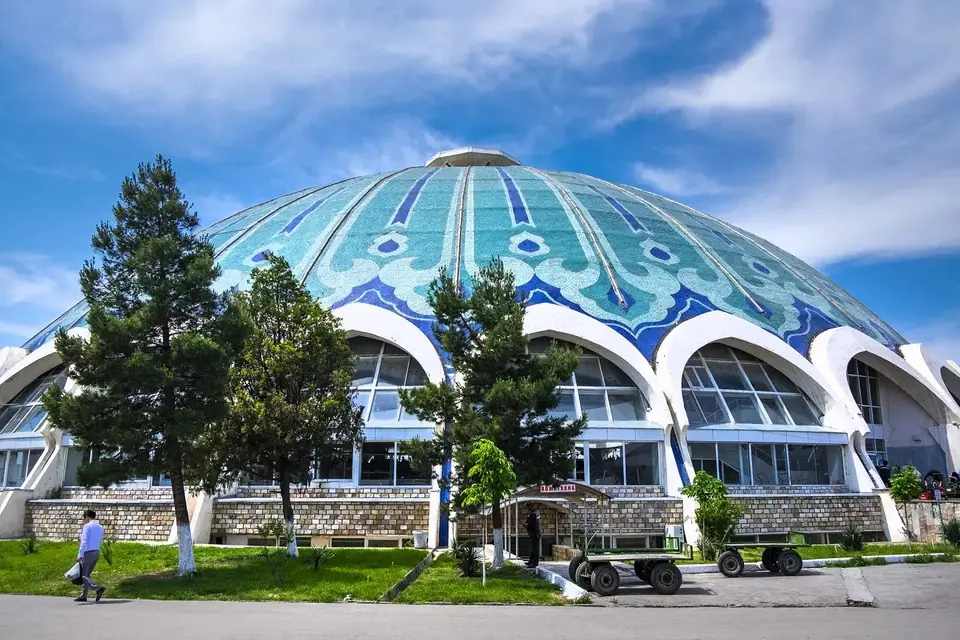
Where to find true local flavor if not at an oriental bazaar? Chorsu is one of the largest markets in Uzbekistan, dating back to the Silk Road. The trading areas are located under a monumental dome, decorated in traditional Uzbek style and adorned with glazed ornamental tiles.
Chorsu Bazaar has literally everything: fruits, spices, oriental sweets, dishes, national clothing, souvenirs made by local artisans, and much more. In the open-air part of the market, you can sample delicious Uzbek dishes: pilaf, samsa, lagman, shurpa, homemade lamb sausage called khasip, and hot, fragrant flatbreads.